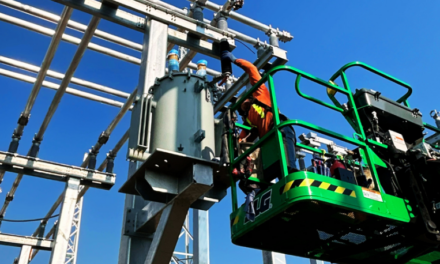

The B.C. government is investing nearly $27 million through the Clean Industry Fund to support 17 projects aimed at helping industrial operators reduce emissions, improve efficiency and strengthen their competitiveness.
The funding, announced by the Ministry of Energy and Climate Solutions, is intended to help businesses move beyond exploring emissions-reduction solutions toward actually demonstrating and adopting them across B.C.’s industrial sector.
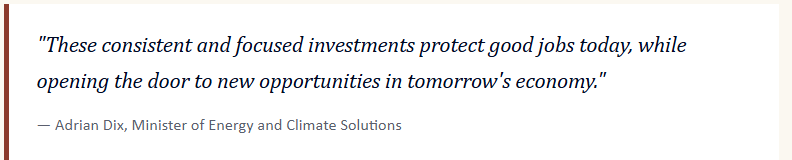
Energy and Climate Solutions Minister Adrian Dix said the province’s continued investment in decarbonization is intended to protect existing jobs while opening up new opportunities in the province’s evolving economy.
The Clean Industry Fund reinvests a portion of B.C.’s industrial carbon pricing system into projects that help companies adopt cleaner technologies, transition toward electrification and lower the cost and risk associated with emissions-reduction projects.
Since its launch in 2019, the fund has invested more than $330 million in projects across the province. Provincial officials say every dollar of public funding through the program has historically brought in roughly two additional dollars from industry and other partners, amplifying the fund’s overall economic impact.
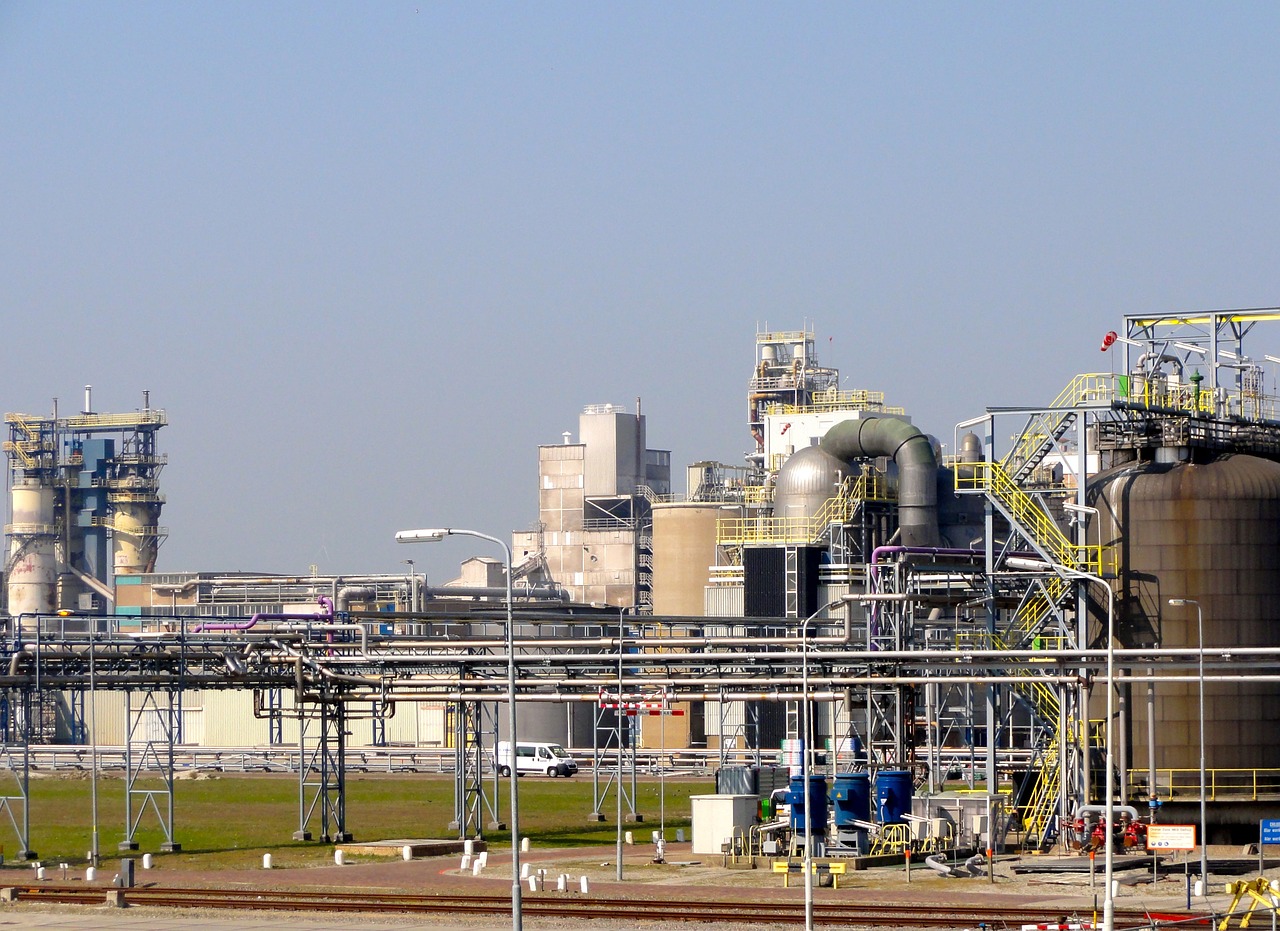
Projects supported through the fund span a range of sectors, including oil and gas, pulp and paper, and mining, with previous funding rounds supporting initiatives such as facility electrification, carbon capture systems, waste heat recovery and methane leak detection.
The fund operates through three main streams: emissions performance, which supports projects with measurable, near-term emissions reductions; innovation accelerator, which fast-tracks promising new clean technologies; and feasibility studies, which help companies evaluate potential projects before committing to full-scale investment.
Provincial officials say the program has drawn international recognition for its approach to industrial decarbonization, noting that projects funded through the initiative are selected through a competitive process evaluating expected emissions reductions, cost-effectiveness and the potential for broader industry benefit.
The latest funding round comes as the province continues to position its industrial sector to remain competitive in a global economy increasingly favouring lower-carbon products, particularly in emissions-intensive, trade-exposed industries such as natural gas processing, forestry and mining.
Details on the specific 17 projects funded in this round, including individual funding amounts and expected emissions reductions, were included in the province’s full announcement.